Anxiety Therapy Tools That Work in Real Life
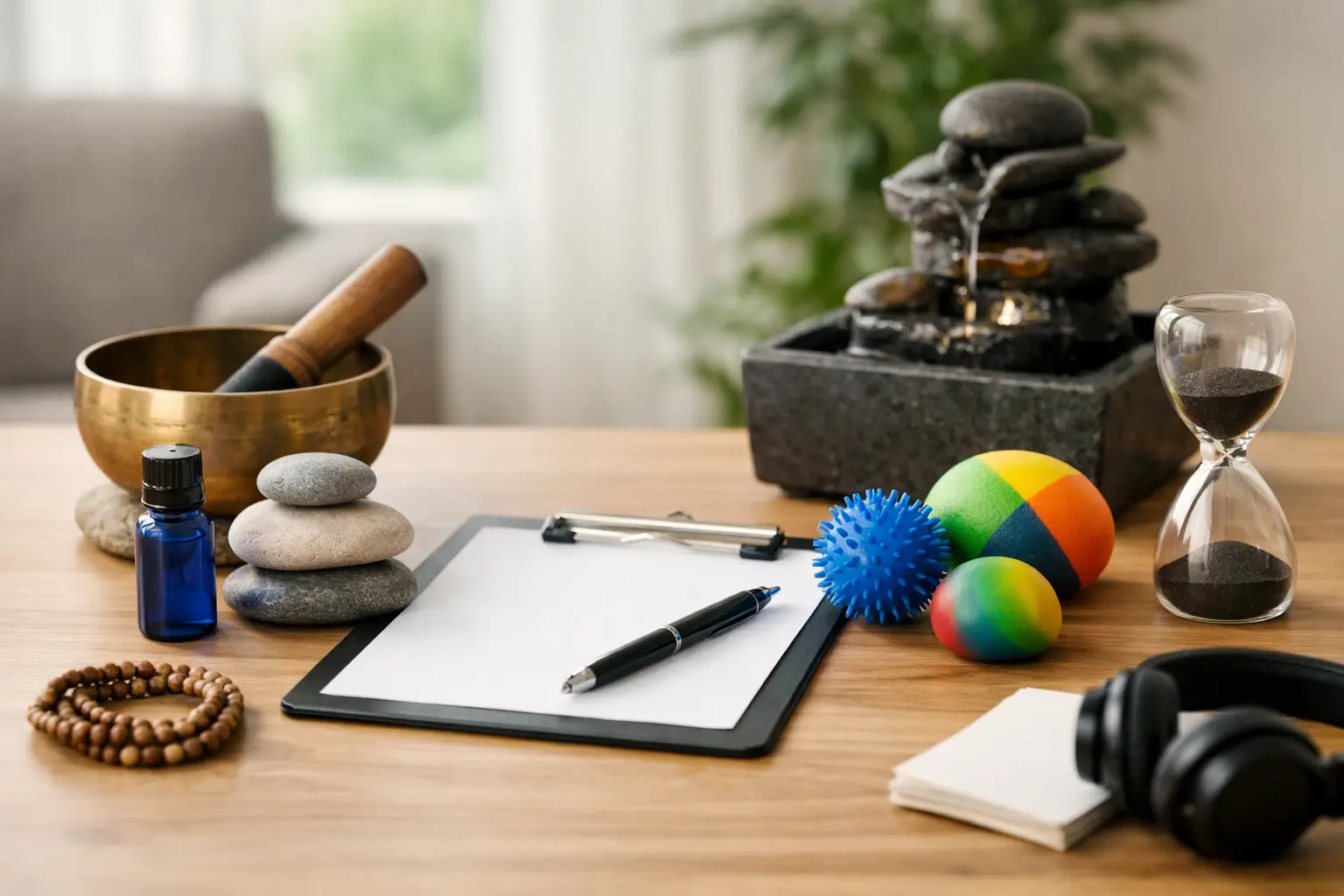
Anxiety rarely arrives at a convenient time. It can show up before a work meeting, during a difficult conversation, in the grocery store aisle, or at 2 a.m. when your body is exhausted but your mind will not settle. Anxiety therapy tools are not meant to make every uncomfortable feeling disappear. They help you recognize what is happening, steady your nervous system, and choose your next step with more confidence.
The most useful tools are practical enough to use in daily life, but they are also more effective when they are tailored to the patterns behind your anxiety. A therapist can help you understand whether your anxiety is driven by panic, perfectionism, trauma, social fears, relationship stress, chronic overwhelm, or another concern. That understanding matters because the right support is rarely one-size-fits-all.
What Anxiety Therapy Tools Are Designed to Do
Anxiety is a protective response. Your brain and body are trying to identify danger and prepare you to cope with it. The problem is that the alarm system can become overly sensitive. A tense email, a physical sensation, an uncertain plan, or a painful memory may trigger the same intense response as an immediate threat.
Therapy tools help create space between the alarm and your reaction. They may help you slow physical symptoms, examine anxious predictions, tolerate uncertainty, or gradually approach situations you have been avoiding. Over time, this can build a more trusting relationship with your own emotions.
No tool works perfectly in every moment. If your anxiety is at a nine out of ten, a complex thought exercise may feel impossible. In that moment, beginning with the body can be more realistic. When anxiety is lower, you may have more capacity to reflect on the thoughts, beliefs, and habits keeping it active.
Grounding Tools for When Anxiety Feels Immediate
Grounding brings your attention back to the present when your mind is racing into the future or replaying the past. It does not deny that a problem exists. Instead, it reminds your nervous system that, in this exact moment, you can pause and orient yourself.
One simple option is to name five things you can see, four things you can feel, three things you can hear, two things you can smell, and one thing you can taste. This can be especially helpful during a panic response because it shifts attention from internal alarm signals to concrete information around you.
Slow breathing can also help, particularly when the exhale is a little longer than the inhale. Try breathing in gently for four counts and out for six. The goal is not to force yourself to be calm or take dramatic breaths. Gentle, steady breathing sends a different message to the body than fast, shallow breathing.
Temperature and movement can be useful as well. Holding a cool glass of water, stepping outside for fresh air, pressing your feet into the floor, or taking a brief walk can interrupt the feeling of being trapped inside anxious thoughts. These are not cures for anxiety, but they can help you get through a difficult wave without escalating it.
Use a compassionate cue
Anxiety often becomes more intense when it is met with self-criticism. A short phrase such as, “This is anxiety, and I can take one step at a time,” may sound simple, but it can reduce the added distress of judging yourself for struggling. The phrase should feel believable, not forced. For some people, “I do not have to solve everything right now” is more helpful.
Thought-Based Anxiety Therapy Tools
Anxious thoughts often sound convincing because they are urgent. “I will embarrass myself.” “Something terrible is about to happen.” “If I make the wrong choice, everything will fall apart.” Cognitive behavioral approaches help you look at these thoughts with curiosity rather than automatically treating them as facts.
A useful starting point is to write down the situation, the thought, the emotion, and the action you felt pulled to take. For example, after receiving no response to a text, you may think, “They are upset with me,” feel anxious, and repeatedly check your phone. Seeing the sequence on paper can reveal the pattern more clearly.
The next step is not positive thinking. It is balanced thinking. You might ask: What facts support this fear? What facts do not? Are there other explanations? If someone I cared about had this thought, what would I say to them? A more balanced response could be, “I do not know why they have not replied. There are several possible reasons, and I can wait before assuming the worst.”
This practice is most effective when it is repeated outside of a crisis. Over time, your mind becomes more practiced at noticing catastrophic predictions before they take over.
Reducing Avoidance at a Manageable Pace
Avoidance brings quick relief, which is why it is so tempting. Canceling plans, avoiding driving, asking for constant reassurance, or postponing a difficult task may lower anxiety in the short term. But avoidance can teach the brain that the situation was dangerous and that you escaped it only by withdrawing.
Gradual exposure is a structured therapy tool that helps reverse this cycle. Rather than forcing yourself into the most frightening situation, you and your therapist identify a manageable first step. Someone with social anxiety might begin by making brief eye contact with a cashier, then progress to asking a question, attending a small gathering, and eventually speaking up in a group.
The purpose is not to prove that nothing uncomfortable will happen. It is to learn that you can handle discomfort, recover from it, and stay connected to the life you want. The pace matters. Exposure that is too intense or unsupported can feel overwhelming, particularly when trauma is part of the picture.
DBT Skills for Emotional Intensity
Dialectical behavior therapy, often called DBT, offers especially helpful skills when anxiety comes with intense emotions, impulsive urges, conflict, or a sense of being emotionally flooded. DBT does not ask you to choose between accepting your feelings and changing your behavior. It supports both.
Mindfulness skills can help you observe anxiety without immediately acting on it. You may notice, “My chest is tight, and I am having the urge to leave,” rather than concluding, “I cannot handle this.” That small shift can make room for a more intentional response.
Distress tolerance skills focus on getting through a painful moment without making it worse. This might mean using grounding, delaying an impulsive text, taking a short break from an argument, or choosing a soothing activity while the emotional intensity comes down. Emotion regulation work goes further by helping you notice vulnerability factors such as poor sleep, skipped meals, isolation, or ongoing stress that make anxiety harder to manage.
When Anxiety Is Connected to Trauma or Relationships
Sometimes anxiety is not only about current stress. It may be connected to experiences that taught your nervous system to stay alert, expect rejection, or prepare for harm. In these cases, coping tools are still valuable, but deeper treatment may be needed to process what is underneath the anxiety.
Trauma-informed therapy and approaches such as EMDR can help some people work through distressing memories without requiring them to relive every detail alone. A therapist will focus on safety, pacing, and stabilization rather than pushing you faster than your system can tolerate.
Relationship patterns can also keep anxiety active. If you regularly fear abandonment, struggle to communicate needs, or feel responsible for everyone else’s emotions, individual or couples therapy can help you develop clearer boundaries and more secure ways of relating. Anxiety is personal, but it is often shaped by the relationships and environments around us.
How to Build a Tool Kit You Will Actually Use
A large list of coping strategies can become another source of pressure. Start small. Choose one tool for your body, one for your thoughts, and one action that helps you stay engaged with life. For example, you might use slow breathing before a meeting, write down your anxious prediction afterward, and continue attending one weekly activity that matters to you.
Keep track of what helps, when it helps, and what makes anxiety worse. You may find that grounding works well during panic, while thought work is better for late-night worry. You may also learn that certain tools feel unhelpful when you are depleted. That is useful information, not a failure.
If anxiety is interfering with sleep, work, school, relationships, or your ability to do everyday tasks, professional support can offer a clearer path forward. At Balanced Life Therapy, care is personalized to your goals, comfort, and lived experience, with in-person support in Barrie and secure virtual therapy available across Ontario.
You do not need to wait until anxiety becomes unbearable to seek help. The next helpful step may be as small as naming what you feel, putting both feet on the floor, and allowing someone to support you as you build a steadier way forward.