Teletherapy Trends Shaping Better Mental Health Care
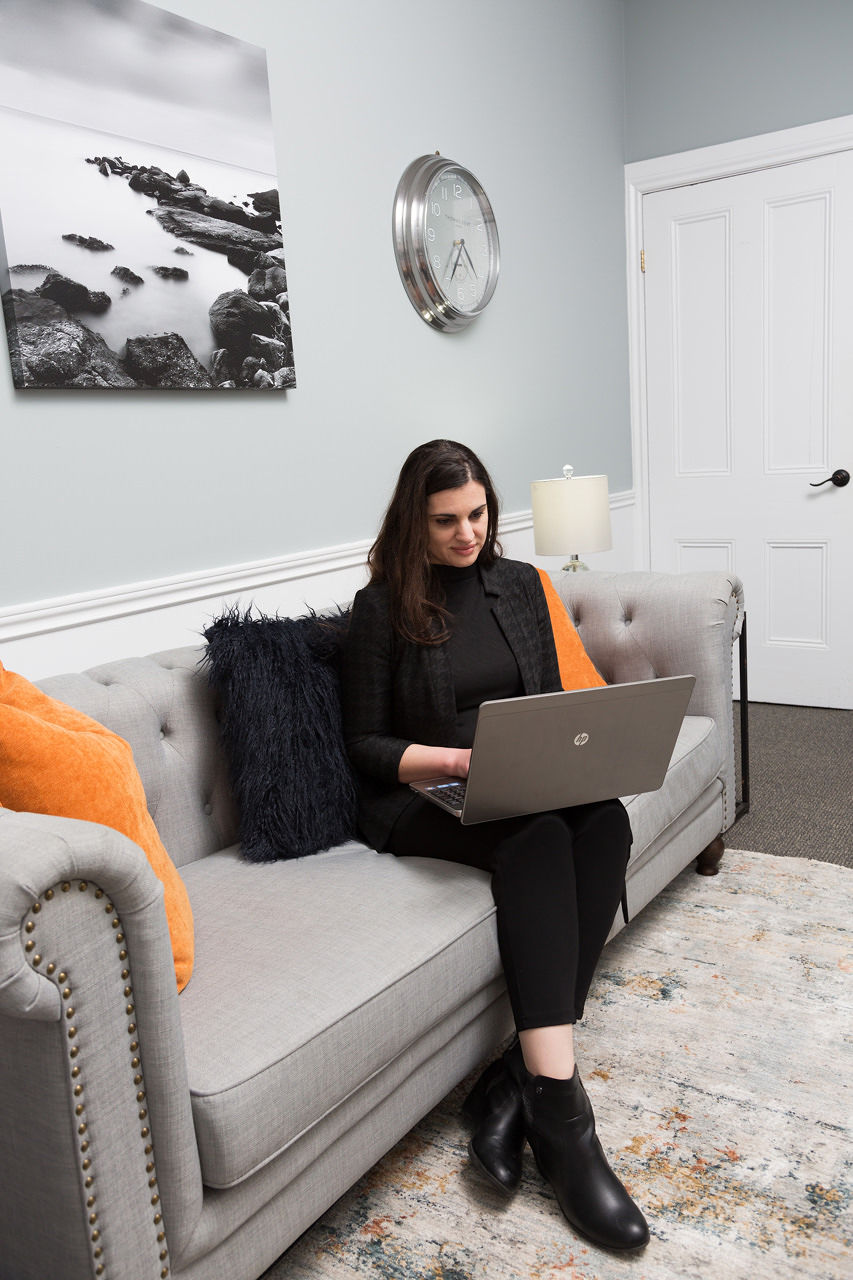
A parent closes the laptop after a therapy session and joins the family for dinner. A college student speaks with a therapist from a quiet room between classes. A couple attends counseling without arranging childcare or driving home separately after a difficult conversation. These are not small conveniences. Teletherapy trends are reshaping how many people make room for mental health care when life already feels full.
Virtual therapy is no longer simply a backup plan for days when getting to an office is difficult. For many Ontario residents, it has become a meaningful part of a personalized care plan. Still, convenience alone does not make therapy effective. The quality of the therapeutic relationship, the therapist’s clinical approach, privacy, consistency, and the fit between a person’s needs and the format all matter.
Teletherapy Trends Reflect a Need for Flexible Care
The strongest trend in online therapy is not technology for technology’s sake. It is flexibility with clinical intention. People want support that fits around work, caregiving, health concerns, school schedules, and the emotional reality of a hard week.
For some clients, meeting virtually means they can begin therapy sooner rather than putting it off until circumstances feel less demanding. That can be particularly helpful for people coping with anxiety, depression, grief, trauma, or relationship stress. When someone is already overwhelmed, removing a long commute, parking concerns, or time away from work can make seeking help feel more manageable.
Hybrid care is also becoming more common. A client might choose virtual sessions most weeks, then meet in person when they want a change of setting, are working through an emotionally intense topic, or simply prefer face-to-face connection on certain days. There is no single right format. The better question is: what setting will help you show up consistently and engage honestly in the work?
For people in Barrie and surrounding communities, a hybrid option can offer the reassurance of a local therapy office while keeping virtual appointments available when travel, weather, illness, or family responsibilities complicate the day.
The Therapeutic Relationship Still Comes First
A common concern is whether a real connection can develop through a screen. For many people, it can. Warmth, attentive listening, thoughtful questions, and a therapist’s ability to notice patterns do not disappear online. Some clients even find it easier to open up from a familiar space, especially in the early stages of therapy.
At the same time, teletherapy is not identical to being in the room together. Body language may be harder to read when a camera angle is limited. Internet interruptions can break the flow of a vulnerable moment. Some people feel more grounded in an office designed for reflection, where home responsibilities are temporarily out of reach.
This is why therapist matching matters. A strong therapist-client relationship is built through collaboration, emotional safety, and a shared understanding of what you hope will change. Whether therapy happens online or in person, you deserve care that is paced to your comfort and grounded in approaches that fit your needs.
Privacy Has Moved From a Technical Detail to a Core Concern
As virtual care becomes more routine, clients are asking more thoughtful questions about privacy. A secure video platform is essential, but privacy also depends on the environment around you. A session can feel less safe if a partner is in the next room, children may interrupt, or roommates can hear through a thin wall.
Before an online appointment, it can help to consider where you will sit, whether you can use headphones, and how you will reduce interruptions. Some people use a parked car, a private office, or a quiet room with a fan or white-noise app outside the door. Others prefer to schedule sessions during a time when the home is empty.
Privacy planning is not about creating a perfect setup. Few people have that. It is about creating enough emotional and practical space to speak freely. If privacy is consistently difficult, in-person sessions or a hybrid approach may offer a better fit.
Evidence-Based Therapy Is Adapting, Not Disappearing
Another important teletherapy trend is the continued use of evidence-based approaches in virtual sessions. Online therapy is not limited to general conversation or quick coping tips. With an appropriately trained therapist, many structured approaches can be adapted thoughtfully for a secure telehealth setting.
For example, cognitive and behavioral strategies can help clients recognize the connection between thoughts, emotions, and actions. DBT-informed work may support emotion regulation, distress tolerance, mindfulness, and healthier communication during moments of conflict. Couples therapy can give partners a structured place to slow down recurring arguments and practice more respectful ways of expressing needs.
Trauma-informed care is especially important in any format. Trauma therapy should move at a pace that respects a client’s sense of safety and capacity. Some people appreciate the comfort of being at home after a difficult session. Others find that leaving the house and coming into an office helps them contain the experience and transition back into daily life. The right setting depends on the person, their history, their supports, and the type of work being done.
Teletherapy Trends Are Making Care More Personalized
The most promising development is the move away from treating virtual therapy as a separate, one-size-fits-all service. Good care begins with understanding the person in front of you: their goals, emotional needs, relationships, symptoms, availability, preferences, and readiness for change.
A teen struggling with social anxiety may benefit from learning practical coping skills in a setting that feels familiar. A caregiver managing burnout may need appointments that fit around unpredictable responsibilities. A couple navigating infidelity may need a carefully structured session format, clear boundaries around privacy, and a therapist who can hold difficult conversations without taking sides.
Personalization also means acknowledging when teletherapy may not be the best option. If someone is in immediate danger, experiencing a mental health crisis, or unable to find a private and stable place to talk, additional or different support may be needed. Virtual therapy can be highly effective, but it is not a substitute for emergency care. In an urgent situation, contact local emergency services, go to the nearest emergency department, or reach out to a crisis service in your area.
Practical Habits That Improve Online Sessions
The technology does not need to be complicated, but a few small choices can make teletherapy feel more focused. Join from a private space when possible, keep your device charged, and test your audio before the session begins. Silencing notifications can help you remain present when the conversation reaches something important.
It can also be useful to give yourself a few minutes before and after the appointment. Beforehand, ask yourself what has felt hardest since your last session. Afterward, avoid rushing immediately into a stressful call or household task if you can. A brief walk, a glass of water, or writing down one insight may help you carry the session into everyday life.
Clients sometimes worry that they need to have a polished agenda ready for therapy. You do not. You can arrive unsure, tired, emotional, or unable to find the right words. A skilled therapist can help you begin where you are and identify what needs attention.
Choosing the Format That Supports Real Change
The best therapy format is the one that makes meaningful, consistent care possible without asking you to ignore your needs. If online sessions help you attend regularly and speak openly, teletherapy may be an excellent fit. If you feel disconnected through a screen, distracted at home, or more comfortable in a shared physical space, in-person therapy may serve you better. Many people benefit from having both options.
At Balanced Life Therapy, clients can explore virtual or in-person support with a therapist whose experience aligns with their concerns, whether they are facing anxiety, trauma, grief, depression, relationship conflict, or a demanding life transition. A free 20-minute consultation can also offer a low-pressure way to ask questions about fit, privacy, and next steps.
Therapy does not have to wait for a quieter season of life. Sometimes the most supportive step is choosing a form of care that meets you where you are, then allowing the work to unfold one honest conversation at a time.